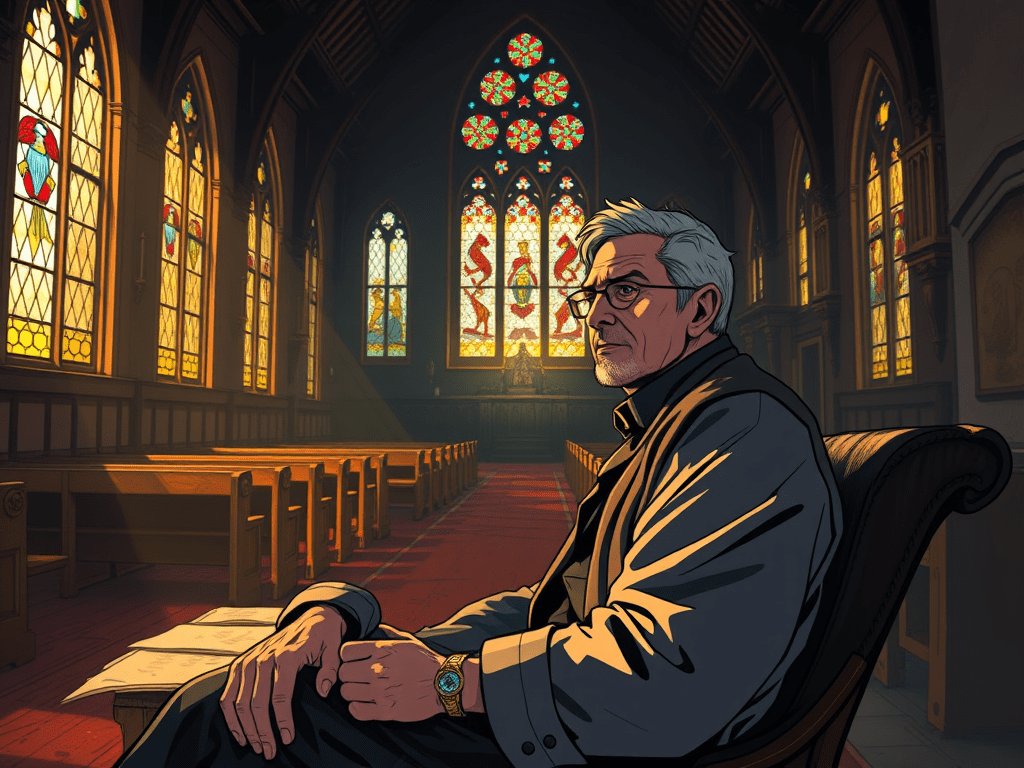
Myth, Reality, and the Hero’s Path to Vocation
Celibacy isn’t just a Catholic thing—unmarried Protestant ministers exist and thrive, especially in Anglican, Lutheran, and some evangelical traditions. Unlike Catholicism, it’s not required, but it’s permitted and sometimes chosen as a deliberate vocation. Think of it as opting for a life that’s a “sign” of undivided devotion, much like the early church’s monastic roots.
In liturgical churches, there’s still a theology of vocation that echoes monasticism: life as sacramental, where celibacy allows for deeper contemplation. Non-liturgical denominations, though, often expect ministers to marry, viewing it as proof of stability. This can overlook celibacy’s power as a calling in itself.
Tie this to the Hero’s Journey, and it gets even more intriguing. Heroes rarely marry mid-quest; the journey demands solitude for transformation. Marriage, when it happens, follows as a reward or integration. Early marriage can short-circuit this, stabilizing a man before he’s initiated into his deeper self, potentially sparking crises later.
Modern marriage trends add fuel: We’re marrying later, but men aren’t always maturing—they’re just extending adolescence. Women face biological clocks, and historical norms (men marrying after proving competence, with moderate age gaps) get labeled problematic today due to fears of imbalance. But the real crisis? Misaligned vocations. Not every man called deeply to God is meant for marriage, and rushing in before self-knowledge can undermine both.
Liturgical traditions preserve this wisdom: Some must enter the “wilderness” first. Tozer embodied this tension—a married prophet whose calling strained his home. It’s a call to discern: Is your path active or contemplative? Married or single? Engaging with these questions can transform how we view singleness not as a deficit, but as a heroic choice.
What’s your take on celibacy in ministry? Is it undervalued today?
Developed with assistance from Grok and Gemini
 Seized by Christ